Serbia, Bosnia and Herzegovina, Montenegro, Croatia
LANGUAGE
English
DIFFICULTY
Easy for everyone
ⓘ This tour runs in a limited season and popular dates are often booked months in advance.
What To Expect
From the Former Yugoslavia Private Tour in 2026/27
You stand at the confluence of the Sava and Danube, looking across layers of empires that shaped Belgrade. A few days later, the call to prayer echoes near Sarajevo’s stone alleys, then the Adriatic light reflects off Dubrovnik’s walls. This former Yugoslavia itinerary follows a natural south-to-north arc, where borders shift but traces of a shared past remain visible in bridges, fortresses, food, and conversation — and the region begins to make sense beyond headlines.
If you are considering a broader regional scope beyond these four countries, you may also explore our Western Balkans Tour, which follows a wider multi-country route.
Highlights
One Guide Across Borders
The same guide accompanies you from arrival in Belgrade to departure in Zagreb. This continuity allows historical and political context to build progressively, instead of restarting in each country.
Historic Landmarks as Turning Points, Not Photo Stops
The Bridge in Višegrad, Kotor’s walls, Diocletian’s Palace, and Plitvice Lakes are positioned within the broader narrative of empire, trade, conflict, and modern transition — helping you connect architecture with lived history.
Food as Everyday Culture
Tasting Šumadija wines in central Serbia, burek in Sarajevo, oysters in Ston, or Dalmatian reds on Pelješac is not presented as entertainment, but as insight into climate, religion, trade routes, and regional identity.
Accommodation in Central, Walkable Locations
Hotels are selected to reduce unnecessary transfers and allow evening exploration on foot, especially in cities like Sarajevo, Dubrovnik, and Split.
How this tour works
Private & Seamless Travel
End most days unhurried, with space to absorb what you’ve seen.
Flexible by Design
The itinerary can be adjusted to match your interests, comfort level, and pace.
Balanced Daily Rhythm
Each day blends guided exploration with personal time — no constant rushing.
Your Guide’s Role
Your guide is both driver and tour leader, ensuring continuity and local insight.
Prices apply to the listed itinerary. As this is a private tour, final cost may vary based on dates, group size, accommodation, and travel pace.
Most guests customize this tour. Final price is confirmed after a short consultation. *For a personalized quote, use the ‘’Send inquiry’’ option.
Detailed tour Flow
Arrival in Belgrade
Meet your guide and transfer to your hotel. The first evening is intentionally left open — to rest, adjust to the time zone, or take a short independent walk along the river or through the old center.
Overnight: Royal Inn 4★, Belgrade
Belgrade: Empires and Yugoslavia
At Kalemegdan Fortress, where two rivers meet, Serbia’s strategic past becomes visible. Walking through Knez Mihailova and into the older quarters reveals layers from Ottoman rule to Austro-Hungarian influence. A panoramic drive through New Belgrade introduces socialist-era architecture before visiting the Museum of Yugoslavia to understand Tito’s role in shaping the region. Saint Sava Church reflects contemporary identity. In the evening, seeing the skyline from the river adds perspective to the city’s scale and contrasts.
Overnight: Royal Inn 4★, Belgrade
Royal Serbia and Zlatibor
On Oplenac Hill, the mausoleum of the Karađorđević dynasty explains Serbia’s royal chapter and its European ties. A winery visit in Šumadija introduces regional viticulture shaped by local climate and tradition. By afternoon, the setting shifts to Zlatibor’s mountain landscape, marking the transition from urban Serbia toward the western borderlands.
Overnight: Hotel Palisad 4★, Zlatibor
Railway Heritage and Bosnia
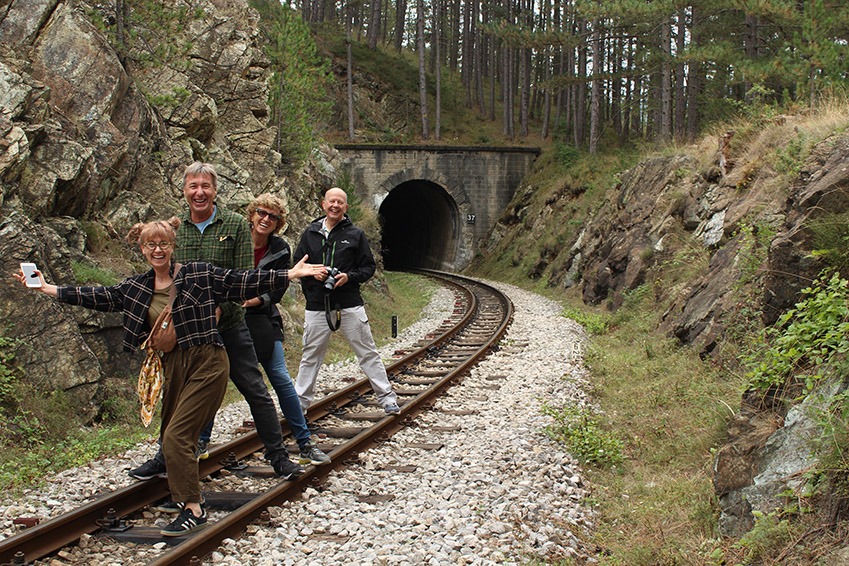
The Šargan Eight railway curves through wooded hills, offering insight into early 20th-century engineering. In Višegrad, the stone bridge over the Drina River stands as both architectural monument and literary symbol. Crossing into Bosnia & Herzegovina, the mountain roads toward Sarajevo reflect how geography influenced political fragmentation.
Overnight: Hotel Colors Inn 4★, Sarajevo
Sarajevo: Coexistence and Conflict
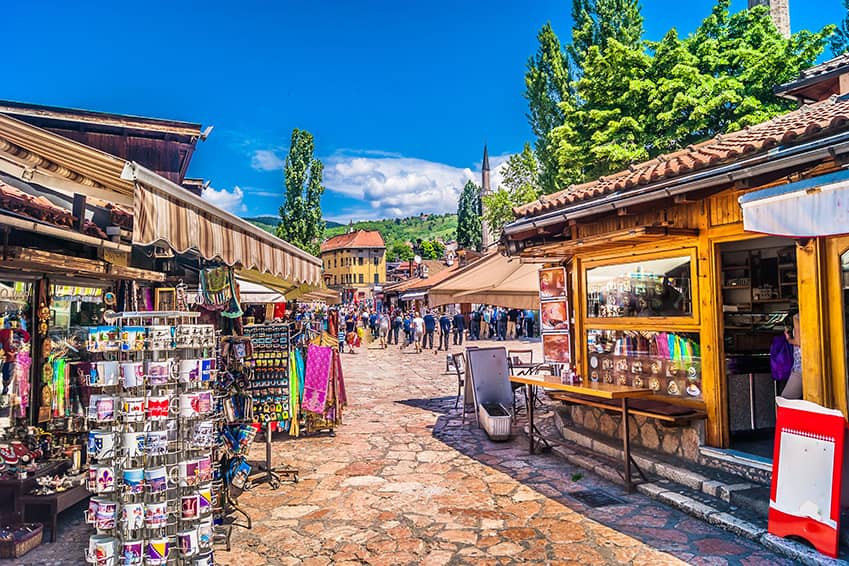
Sarajevo compresses centuries into a short walk. Mosques, churches, and synagogues stand within minutes of each other. Local specialties such as burek and ćevapi are experienced where residents eat them daily. The Latin Bridge and Vijećnica frame discussions about the 20th century. The afternoon allows space to return to places that resonated most.
Overnight: Hotel Colors Inn 4★, Sarajevo
Herzegovina to Trebinje
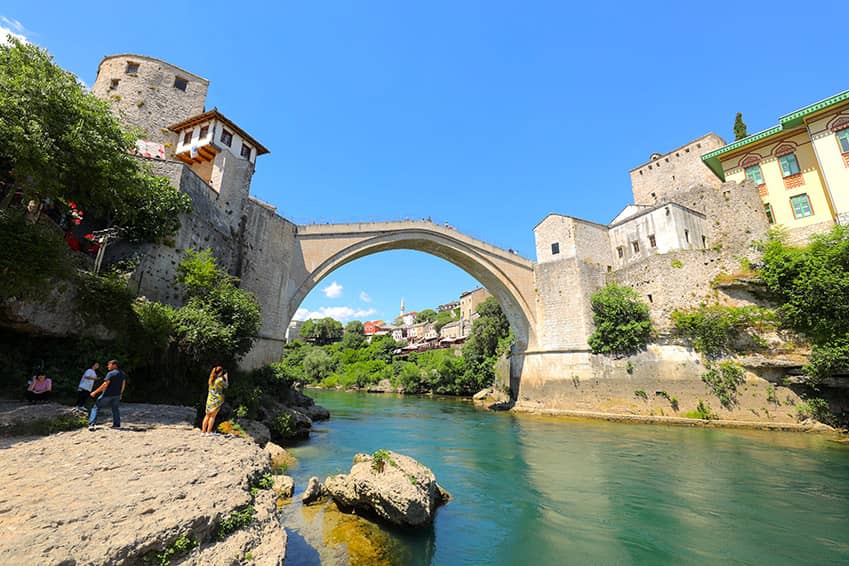
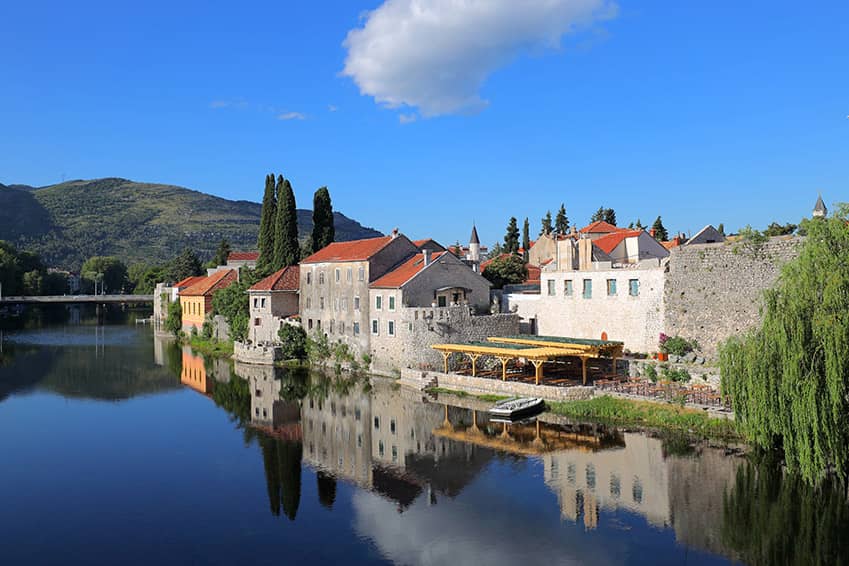
Following the Neretva River, Mostar’s Old Bridge illustrates both destruction and reconstruction. In Blagaj, the Buna River emerges beneath a cliffside lodge — a reminder of how settlement followed water sources. Trebinje’s Mediterranean character signals the Adriatic’s proximity.
Overnight: Hotel Central Park 4★, Trebinje
Bay of Kotor and Dubrovnik
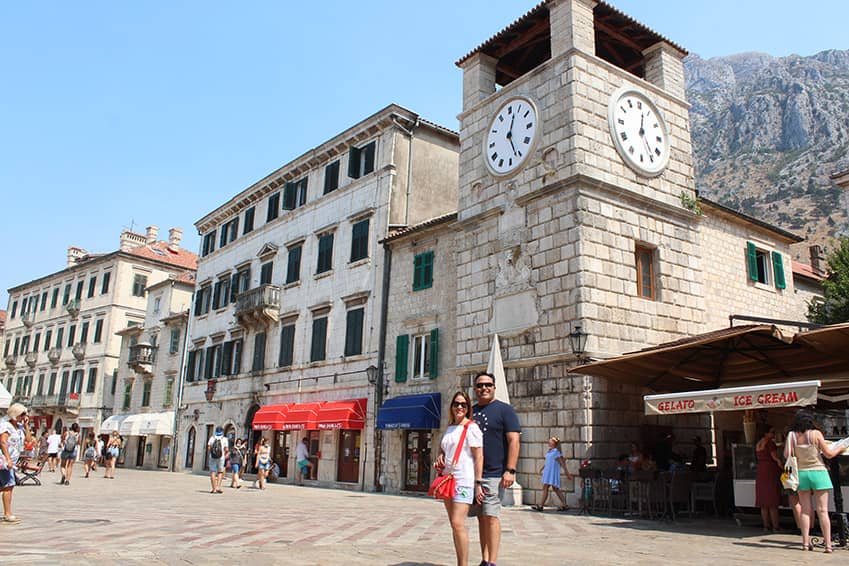
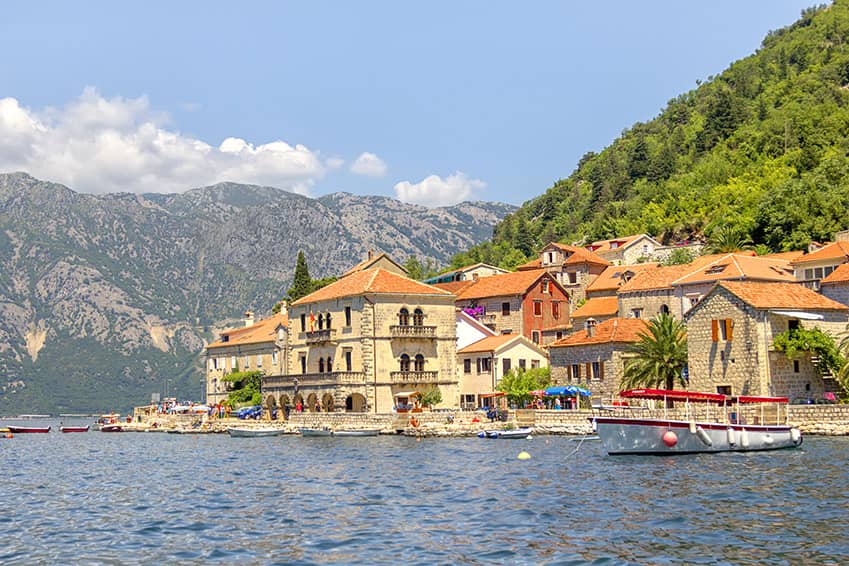
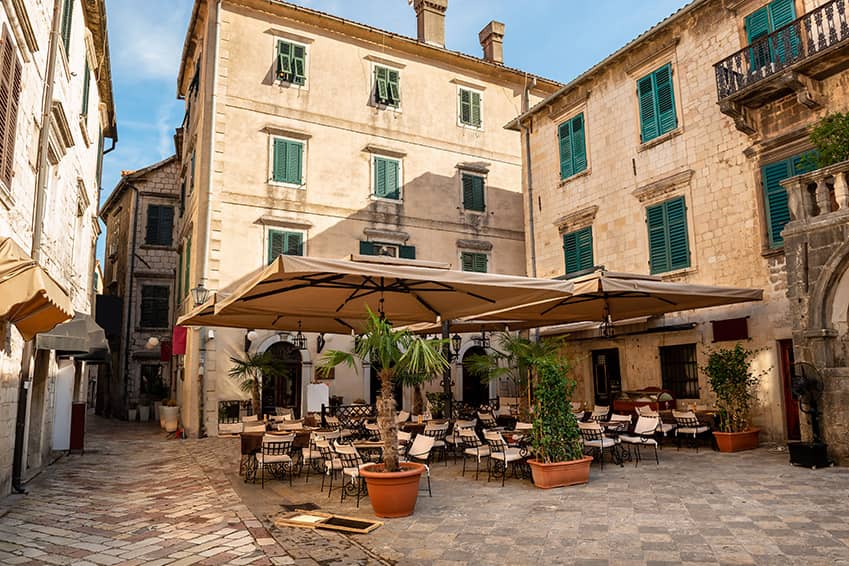
Perast and Our Lady of the Rocks reveal maritime traditions rooted in local legend. Kotor’s fortified town reflects centuries of Venetian influence. By evening, Dubrovnik’s walls appear — marking entry into the Adriatic phase of the journey.
Overnight: Hotel Lapad 4★, Dubrovnik
Dubrovnik
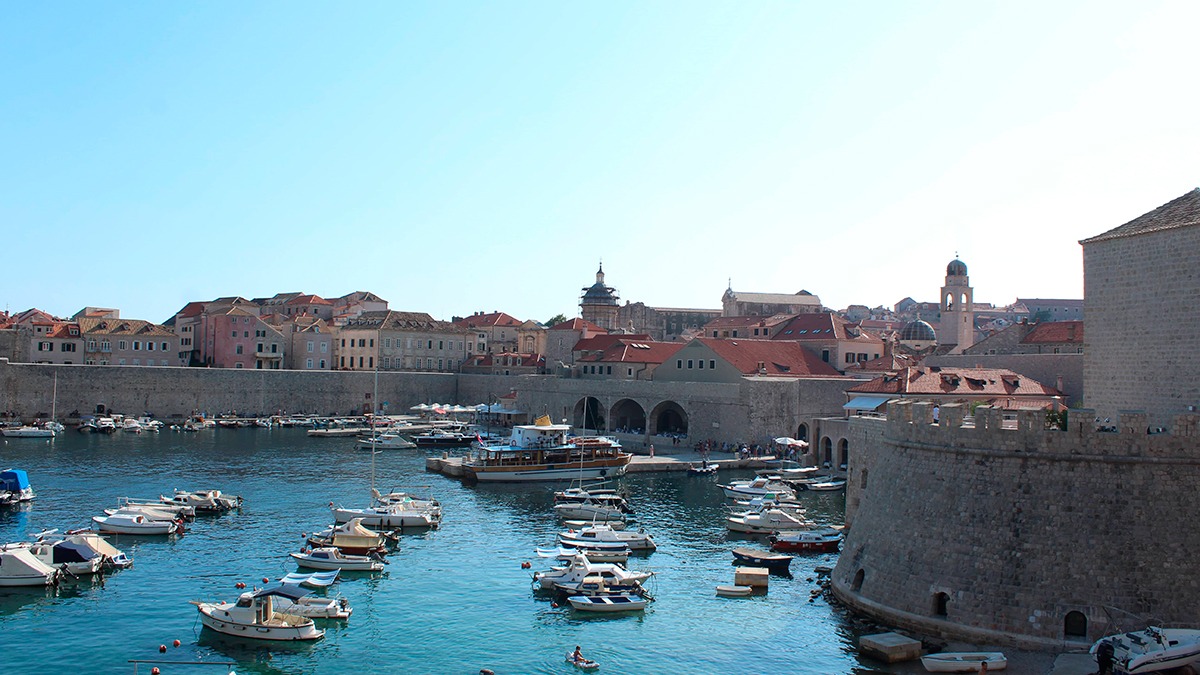
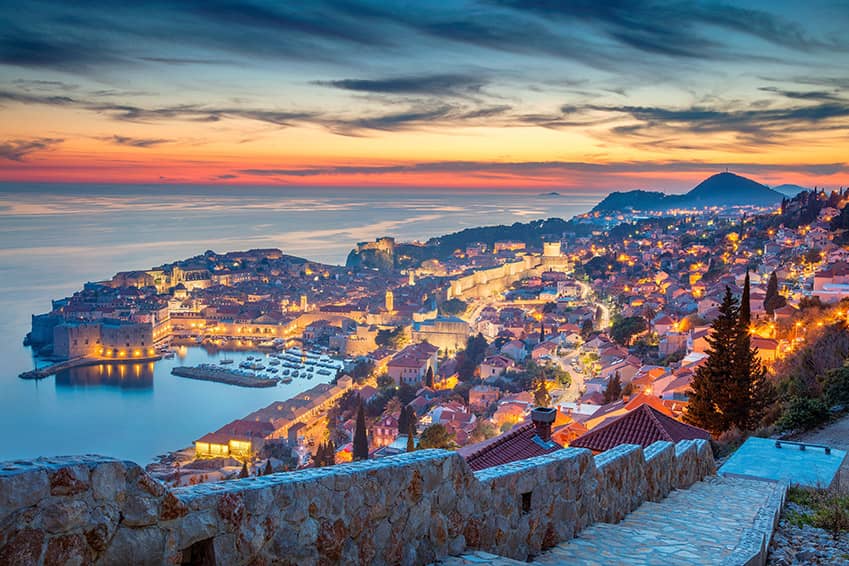
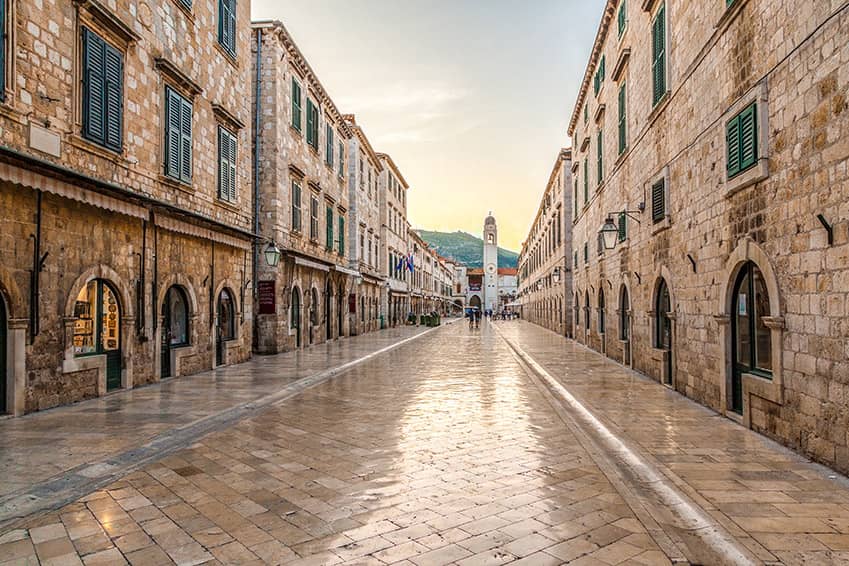
Within the former Republic of Ragusa, trade and diplomacy shaped independence. Walking the Stradun and city walls reveals how a small state sustained itself among stronger powers. Optional time allows for deeper exploration or simply absorbing the coastal setting.
Overnight: Hotel Lapad 4★, Dubrovnik
Ston and Split
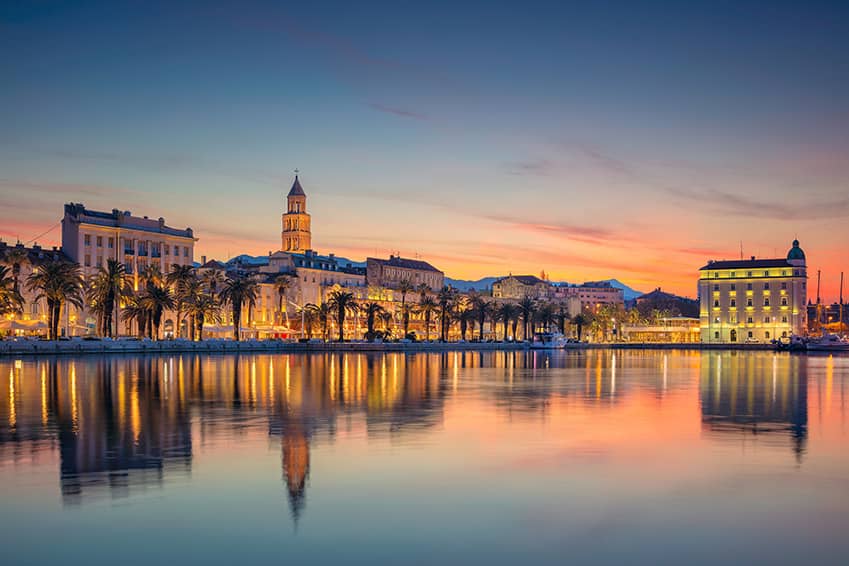
In Ston, oyster farming continues a centuries-old practice tied to the bay’s conditions. On Pelješac Peninsula, winemaking reflects adaptation to rocky terrain and sea winds. Split introduces Roman foundations still embedded in daily life inside Diocletian’s Palace.
Overnight: Hotel Globo 4★, Split
Hvar Island
A ferry crossing opens views toward the Dalmatian islands. In Hvar, Venetian architecture and maritime history dominate the harbor. Free time allows independent exploration before returning to Split.
Overnight: Hotel Globo 4★, Split
Plitvice Lakes and Zagreb
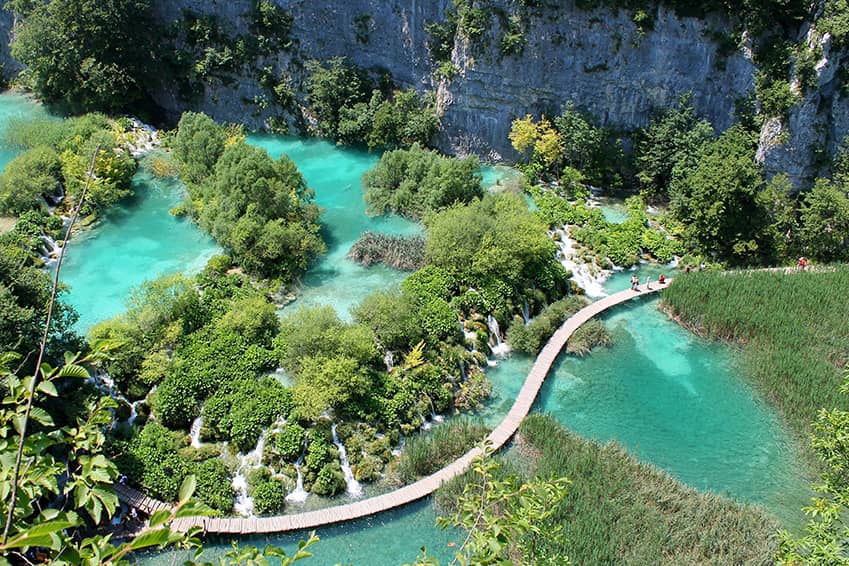
Plitvice’s cascading lakes demonstrate geological processes still shaping the terrain. Wooden pathways lead through interconnected waterfalls before the journey continues to Zagreb, Croatia’s administrative and cultural center.
Overnight: DoubleTree by Hilton 4★, Zagreb
Zagreb and Departure
The Upper Town, Dolac Market, and central square introduce Croatia’s political and civic life before transfer to the airport.
The End of the Balkan Tour
Included
Airport arrival and departure transfers
Private transportation throughout the tour
English speaking guide
11 nights with breakfast in 4★ hotels
Meals explicitly mentioned in the itinerary
All admission fees and scheduled activities
Bottled water during drives
Excluded
International airfare
Travel insurance
Meals not listed in the itinerary
Personal expenses
Gratuities
Map points are not added yet.
Reviews
FAQ
Is this tour genuinely private?
Yes. The vehicle, guide, and schedule are reserved only for you. There are no shared segments or combined departures.
How physically demanding is the tour?
City walks are moderate and typically last 1–3 hours at a relaxed pace. Uneven surfaces exist in historic centers, but no strenuous hiking is required.
Will one guide explain all countries?
Your Serbian guide accompanies you throughout. In selected cities outside Serbia, licensed local guides join for focused insight, while your main guide maintains continuity.
Are border crossings complicated?
No. Your guide handles timing and documentation checks. You only need valid travel documents appropriate to your nationality.
Why this particular travel route?
The south-to-north arc reflects historical and geographic logic, helping you understand how former Yugoslavia fragmented into distinct states.
Are the hotels centrally located?
Yes. Hotels are chosen to allow evening walks and independent dining without long transfers.
How much free time is included?
Most afternoons include unstructured time. This allows you to revisit areas of interest or rest without pressure.
Can specific historical topics be discussed in more depth?
Yes. Many guests request deeper discussion of Yugoslav socialism, the 1990s conflicts, or contemporary politics. The tour allows room for that.
Is this suitable for travelers unfamiliar with the Balkans?
Yes. The itinerary is designed as a comprehensive former Yugoslavia travel route that builds understanding progressively.
What if we prefer fewer museum visits?
Adjustments can be made before booking. The structure allows flexibility while maintaining the overall route.
Are meals fixed or flexible?
Breakfast is included daily. Other meals are flexible, allowing you to choose according to preference, with recommendations provided.
When is the best season?
Spring and autumn offer moderate temperatures and fewer cruise crowds in coastal cities, though the tour operates year-round on request.